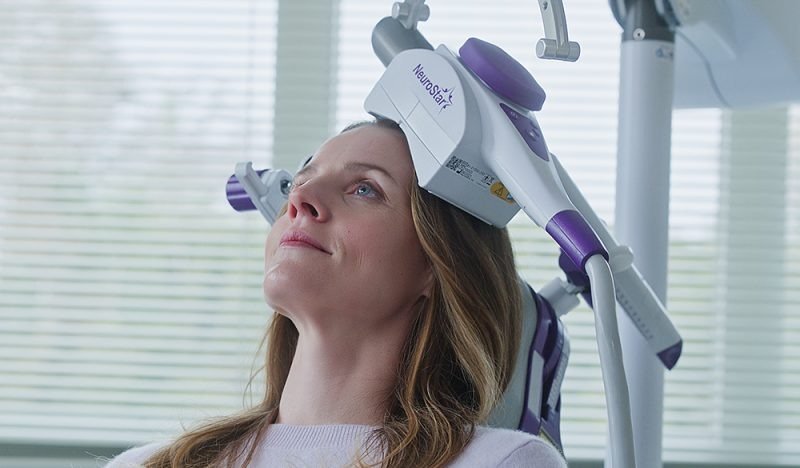
Is NeuroStar TMS Therapy Safe?
Yes, NeuroStar® TMS (Transcranial Magnetic Stimulation) therapy is exceptionally safe, non-invasive, and FDA-cleared. Over 6.1 million NeuroStar treatment sessions have been safely administered nationwide. Unlike oral antidepressant medications, NeuroStar TMS uses targeted magnetic pulses to stimulate underactive mood centers in the brain without systemic side effects like weight gain, sedation, memory loss, or sexual dysfunction.
When evaluating any medical treatment for depression, anxiety, or OCD—especially after medications have failed to deliver relief—it is entirely natural to ask: "Is NeuroStar TMS therapy safe?" Understanding the safety profile, potential side effects, long-term tolerability, and FDA clearance of Transcranial Magnetic Stimulation is vital for making an informed decision about your mental healthcare.
Major Depressive Disorder (MDD) affects millions of adults and adolescents across the United States. For many individuals in Monticello, MN and surrounding central Minnesota communities, traditional oral antidepressants either prove ineffective or produce intolerable adverse effects. NeuroStar Advanced Therapy offers an FDA-cleared, non-pharmacological medical alternative that targets depression directly at its neurological source.
In this detailed, clinical guide, we explore the comprehensive safety record of NeuroStar TMS therapy, review its FDA clearance timeline, compare its safety profile against traditional depression medications, address rare risks and misconceptions, and detail what patients can expect at Tranquil Minds Mental Health.
In This Article:
- → How Magnetic Stimulation Works Safely
- → FDA Clearances & Real-World Evidence
- → NeuroStar Safety vs. Antidepressant Medications
- → Common Side Effects & Management
- → Seizures, Memory & ECT Comparisons
- → Candidate Screening & Safety Contraindications
- → Adolescent Safety (Ages 15–21)
- → Conclusion: Safe, Empowering Relief
- → Frequently Asked Safety Questions
Understanding NeuroStar TMS: How Magnetic Stimulation Works Safely
To appreciate why NeuroStar TMS therapy boasts such a favorable safety profile, it helps to understand the underlying neuroscience and physics of the treatment.
NeuroStar TMS utilizes focused, pulsed magnetic fields—similar in type and strength to those produced by an Magnetic Resonance Imaging (MRI machine)—to stimulate specific nerve cells in the brain. Specifically, the magnetic treatment coil is precisely positioned over the left dorsolateral prefrontal cortex (DLPFC), an area known to be underactive in individuals suffering from depression.
Learn more about the specific biological mechanisms on our dedicated How Does NeuroStar TMS Work? guide and review our What Is TMS Therapy page.
No surgery, no incisions, no implants, and no physical penetration of body tissue. The magnetic pulses pass painlessly through the scalp and skull.
Unlike oral medications that pass through your bloodstream, stomach, liver, and kidneys, TMS energy remains strictly localized to targeted brain pathways.
Requires no general anesthesia or sedatives. Patients remain fully awake, alert, and able to relax, chat, or listen to music throughout the session.
FDA Clearance History & Real-World Safety Evidence
NeuroStar Advanced Therapy is not an experimental procedure. It is a rigorously tested, FDA-cleared medical treatment backed by extensive clinical trials and over 15 years of real-world post-market surveillance. Read the broad clinical overview on Wikipedia's Transcranial Magnetic Stimulation entry.
Timeline of NeuroStar FDA Clearances
- 2008: First FDA Clearance for Adult MDD — NeuroStar became the first TMS system cleared by the FDA for treatment-resistant Major Depressive Disorder in adult patients who failed to achieve satisfactory improvement from prior antidepressant medication.
- 2020: Clearance for Anxious Depression — FDA clearance was expanded to treat depressive symptoms in adult patients with comorbid anxiety symptoms (anxious depression).
- 2022: Clearance for Obsessive-Compulsive Disorder (OCD) — Approved as an adjunct treatment for adults struggling with OCD.
- 2024: Expanded Clearance for Adolescents (Ages 15–21) — FDA cleared NeuroStar as the first and only TMS therapy for adolescent major depressive disorder, offering a crucial safe alternative for young adults.
In the largest real-world clinical registry of depression patients (including over 6,000 participants across clinical practices), 83% of patients completed their treatment course with significant clinical improvement, and 62% achieved complete remission. Crucially, adverse event rates were remarkably low, reaffirming that high efficacy does not come at the expense of safety.
Wondering If NeuroStar TMS Is Safe for You?
Our psychiatric medical team in Monticello, MN conducts comprehensive safety screenings to ensure TMS is 100% appropriate and safe for your unique health profile.
Book Your Free Safety ConsultationNeuroStar TMS Safety Profile vs. Antidepressants
For patients managing treatment-resistant depression, the side effects of chronic pharmaceutical use are often just as debilitating as the depression itself. Standard Selective Serotonin Reuptake Inhibitors (SSRIs), Serotonin-Norepinephrine Reuptake Inhibitors (SNRIs), and tricyclic antidepressants frequently carry systemic side effects because they circulate globally throughout the central nervous system and major organs.
| Safety & Side Effect Parameter | NeuroStar TMS Therapy | Oral Antidepressant Medications |
|---|---|---|
| Treatment Delivery | Focal magnetic pulses targeted to prefrontal cortex | Systemic distribution via bloodstream & liver |
| Weight Gain & Metabolic Changes | Zero Risk (0%) | Common (25%–50% of long-term users) |
| Sexual Dysfunction & Low Libido | Zero Risk (0%) | Very High (30%–70% of SSRI/SNRI users) |
| Daytime Sedation / Brain Fog | Zero Risk (0%) | Frequent complaint among patients |
| Gastrointestinal Distress & Nausea | Zero Risk (0%) | Common, especially during initiation |
| Discontinuation / Withdrawal Symptoms | Zero Withdrawal Symptoms | High risk of discontinuation syndrome |
| Cognitive & Memory Impact | No memory impairment; preserves cognition | Occasional emotional blunting & fog |
| Driving & Daily Activities | Immediate resumption; drive right after | Requires monitoring during dosage changes |
Common, Mild Side Effects of NeuroStar TMS & How They Are Managed
While NeuroStar TMS avoids systemic side effects, it is an active therapeutic intervention that engages localized nerve endings in the scalp. Side effects are overwhelmingly mild to moderate, temporary, and diminish significantly over the first 1 to 2 weeks of treatment as habituation occurs.
For an expanded breakdown of side effect management protocols, read our detailed guide on Common Side Effects of TMS Therapy.
1. Scalp Discomfort or Mild Pain During Session
The most frequently reported side effect is a localized tapping or mild scalp discomfort underneath the magnetic coil. Because superficial nerve endings reside in the scalp tissue, the magnetic pulses excite these nerve fibers simultaneously with underlying cortical neurons.
- Incidence: Reported by approximately 30%–40% of patients during initial sessions.
- Duration: Typically resolves within minutes after each session ends and disappears entirely after 5–7 treatment sessions.
- Management: Our trained clinical technicians adjust motor threshold energy parameters, fine-tune coil positioning, and recommend over-the-counter pain relievers (such as acetaminophen or ibuprofen) prior to early sessions if needed.
2. Mild Post-Treatment Tension Headaches
Some patients experience a mild, transient headache following their appointment, similar in feel to a mild tension headache.
- Incidence: Occurs in roughly 25% of patients during the first week.
- Duration: Resolves quickly within 1 to 2 hours post-session.
- Management: Easily managed with standard over-the-counter analgesics, proper hydration, and adequate rest.
3. Facial Muscle Twitching or Tingling
During the active magnetic pulse sequence, patients may observe temporary, involuntary twitching of facial or eyebrow muscles on the left side of the face.
- Nature: Harmless physiological response caused by facial nerve branch proximity.
- Management: Stops instantly the moment the pulse train pauses. Re-positioning the treatment coil by just a few millimeters eliminates discomfort while preserving therapeutic effectiveness.
Tired of Medication Side Effects?
NeuroStar TMS offers a proven, insurance-covered path to lasting recovery without systemic drugs. Learn how affordable your treatment can be.
Addressing Rare Risks & Misconceptions: Seizures, Memory & ECT
The Seizure Risk Factor (< 0.1%)
The most serious potential risk associated with magnetic brain stimulation is the accidental induction of a seizure. However, extensive safety data indicates that the risk of a seizure during NeuroStar TMS therapy is less than 0.1% per course of treatment (1 in 30,000 sessions).
To put this into clinical perspective, the seizure risk associated with NeuroStar TMS is comparable to or lower than the baseline seizure risk associated with common oral antidepressant medications such as Bupropion (Wellbutrin) or tricyclic antidepressants.
At Tranquil Minds Mental Health, we minimize seizure risk through strict clinical protocols:
- Motor Threshold Calibration: We measure your individual Motor Threshold (MT) prior to treatment to deliver the precise minimal energy required.
- Medical Screening: We screen thoroughly for pre-existing seizure disorders, epilepsy, traumatic brain injuries (TBI), or concurrent medications that lower seizure threshold.
NeuroStar TMS vs. ECT (Electroconvulsive Therapy): Debunking the Myth
Patients often confuse Transcranial Magnetic Stimulation (TMS) with Electroconvulsive Therapy (ECT). It is critical to emphasize that TMS is NOT ECT. They are fundamentally different procedures in technology, administration, side effects, and patient experience.
✓ NeuroStar TMS Therapy
- Anesthesia: None required (fully awake)
- Memory Impact: Zero memory loss or amnesia
- Seizure Goal: Seizures are strictly avoided
- Location: Comfortable outpatient clinic chair
- Downtime: Zero downtime; drive immediately
✗ Electroconvulsive Therapy (ECT)
- Anesthesia: Requires general anesthesia & muscle relaxants
- Memory Impact: Risk of severe retrograde memory loss
- Seizure Goal: Intentionally induces generalized brain seizure
- Location: Hospital surgical suite / recovery room
- Downtime: Significant recovery; cannot drive
Who Is a Candidate — and Who Should Avoid NeuroStar TMS?
Ensuring patient safety begins long before the first treatment session. Rigorous candidate selection ensures that TMS is delivered only to individuals who can receive it safely and effectively.
Ideal Candidates for NeuroStar TMS
- Adults or adolescents (ages 15+) diagnosed with Major Depressive Disorder (MDD), anxious depression, or OCD.
- Individuals who have not achieved adequate symptom relief from antidepressant medications or who experience severe medication side effects.
- Patients seeking a non-invasive, drug-free therapy that allows them to continue their normal daily routines without interruption.
Safety Contraindications: Non-Removable Metal Near the Head
Because NeuroStar uses strong magnetic pulses, the primary safety contraindication involves magnetic-sensitive or conductive metal objects in or near the head and neck.
Non-Candidates for TMS Therapy:
You cannot receive TMS therapy if you have non-removable, ferromagnetically sensitive metal implanted within 30 centimeters (12 inches) of the head coil, including:
- Cochlear implants or metallic hearing devices
- Aneurysm clips or coils in the brain
- Deep brain stimulators (DBS) or vagus nerve stimulators
- Metallic shrapnel, bullet fragments, or metallic eye implants
- Stents or implanted devices in the head, neck, or carotid arteries
What Metal IS 100% Safe for TMS?
- Standard dental fillings, crowns, bridges, and dental implants
- Orthodontic braces or retainers
- Body implants located below the neck (such as artificial hip/knee joints, cardiac pacemakers*, or spinal hardware) — *subject to specific clinical clearance distance rules.
NeuroStar TMS Safety for Adolescents and Young Adults (Ages 15–21)
Adolescent mental health is a critical concern across Minnesota families. In 2024, the FDA officially cleared NeuroStar TMS for adolescents aged 15 and older diagnosed with Major Depressive Disorder.
This approval represents a monumental breakthrough for teenage mental health safety. Traditional antidepressant medications carry FDA "black box warnings" regarding increased risks of suicidal thoughts in teenagers and young adults. In contrast, NeuroStar TMS provides teenagers with a safe, non-drug alternative that does not alter body metabolism, cause weight gain, or interfere with school performance.
Explore our dedicated specialized care pages: TMS for Adolescents and Adolescent Mental Health Services.
Safety Protocols & Care at Tranquil Minds Mental Health
At Tranquil Minds Mental Health in Monticello, MN, patient safety, comfort, and clinical excellence guide every step of our care.
Our practice serves individuals and families throughout Wright County and the surrounding central Minnesota region—including Buffalo, Big Lake, Becker, St. Cloud, Rogers, and the northwest Twin Cities metro area.
- Doctor-Led Screening: Every patient undergoes a thorough medical and psychiatric evaluation with our clinical team prior to starting TMS.
- Personalized Mapping: Precise motor threshold determinations ensure customized energy dosing tailored specifically to your brain anatomy.
- Certified Technicians: Every session is continuously monitored by trained, compassionate TMS specialists.
- Hearing Protection: We provide custom-fit, high-decibel earplugs for every treatment session to protect hearing against acoustic coil clicks.
Conclusion: A Safe, Empowering Alternative for Mental Wellness
Choosing a mental health treatment is a deeply personal decision. For individuals struggling with Major Depressive Disorder, anxious depression, or OCD—particularly when traditional antidepressant medications have failed or produced intolerable side effects—NeuroStar® TMS therapy stands out as one of the safest, most effective, and clinically validated options available in modern psychiatry.
With over 15 years of FDA clearances, 6.1+ million sessions completed nationwide, zero systemic side effects, and zero memory loss, NeuroStar TMS allows you to reclaim your quality of life without disrupting your daily routine. You can drive to your session, relax while receiving targeted brain stimulation, and immediately return to your normal daily activities.
If you or a loved one in Monticello, MN or central Minnesota are ready to explore drug-free relief from depression, the team at Tranquil Minds Mental Health is here to support you with compassionate, expert, and doctor-led care.
Frequently Asked Questions About NeuroStar TMS Safety
Is NeuroStar TMS therapy safe for long-term use?
Yes. Extensive long-term clinical follow-up studies extending over multiple years confirm that NeuroStar TMS therapy is safe for initial acute treatment courses as well as periodic maintenance sessions. There is zero evidence of long-term cellular damage, tissue degradation, or delayed adverse health effects.
Does NeuroStar TMS cause brain damage or memory loss?
No. NeuroStar TMS does not cause brain damage, structural changes, or memory loss. In fact, clinical trials demonstrate that as depression symptoms improve during TMS, cognitive clarity, concentration, and executive function frequently show measurable improvement. We also utilize Creyos cognitive testing to track cognitive improvements objectiveley.
Can I drive myself home after a NeuroStar TMS treatment session?
Yes, absolutely. Because NeuroStar TMS requires no anesthesia, sedation, or systemic drugs, your cognitive and motor abilities remain completely unimpaired. You can drive yourself to your appointment, complete your session, and immediately drive back to work, school, or home.
Is NeuroStar TMS safe to undergo while taking antidepressant medications?
Yes. NeuroStar TMS can be safely combined with existing medication regimens. Many patients begin TMS therapy while staying on their current prescribed medications under psychiatric supervision. As TMS treatments progress and mood improves, your provider can evaluate whether safely tapering medications is appropriate.
Is NeuroStar TMS safe during pregnancy or while breastfeeding?
Yes. TMS therapy is widely recognized as one of the safest depression treatment options for pregnant or postpartum individuals because it involves zero pharmacological systemic risk to a developing fetus or nursing infant. Always discuss your medical history during your initial psychiatric consultation.
What makes NeuroStar TMS safer than Electroconvulsive Therapy (ECT)?
NeuroStar TMS is safer and far milder than ECT because TMS does not require general anesthesia, does not induce generalized brain seizures, and does not cause memory loss or cognitive disorientation. TMS is performed comfortably in an outpatient clinic while you rest in a chair.
How do I know if my insurance covers NeuroStar TMS therapy in Minnesota?
Most major commercial health insurance plans (including Blue Cross Blue Shield, HealthPartners, UCare, Medica, Optum, and Medicare) cover NeuroStar TMS therapy for treatment-resistant depression. Our intake team at Tranquil Minds verifies your exact insurance benefits prior to treatment so you know your exact coverage.